Discover the Soul of Indonesia
From the volcanic peaks of Bromo to the coral reefs of Raja Ampat — explore a living archipelago of culture, nature, and wonder.
Interactive Tourism Map
Drag, zoom and discover destinations across Indonesia
Featured Destinations
Hand-picked wonders across the archipelago


.jpg)

Plan Your Flight Journey
Build a multi-stop adventure across the archipelago
Plan Your Flight Journey
Build a multi-stop adventure across the archipelago
- 1Yogyakarta Palace & MalioboroDI Yogyakarta
- 2Mount BromoEast Java
- 3Tanah LotBali
Tourism Villages
Authentic life in Indonesia's heritage villages
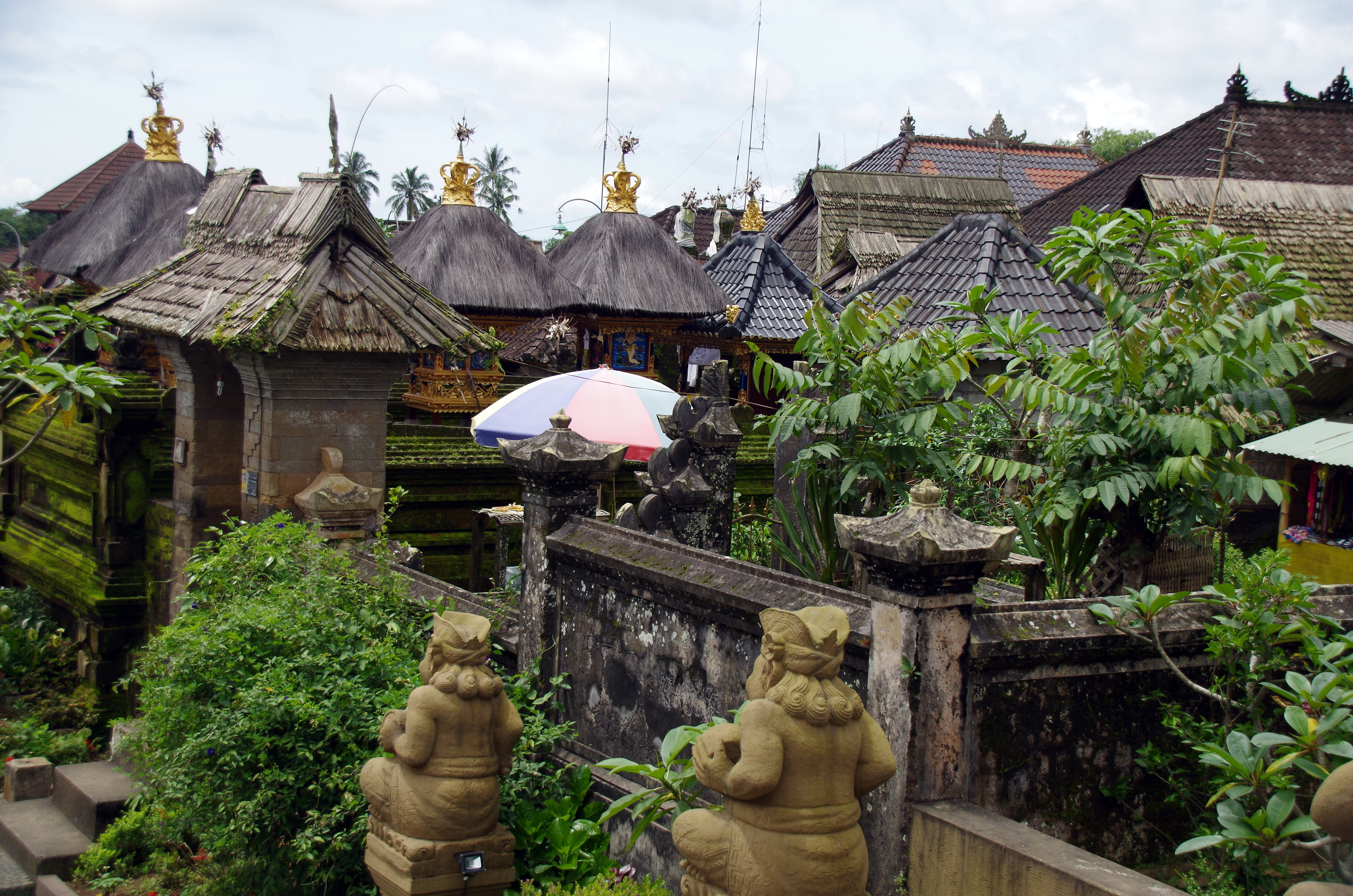
Penglipuran is one of the traditional villages or kampung located in Bangli Regency, Bali Province, Indonesia. The village is famous as a tourist destination in Bali because the villagers still preserve their traditional culture in their daily lives. The architecture of buildings and land processing still follow the concept of Tri Hita Karana, the philosophy of Balinese society regarding the balance of relations between God, humans and their environment. Penglipuran succeeded in building tourism that benefited all of its community without losing its culture and traditions. In 1995, Penglipuran also received a Kalpataru award from the Indonesian government for its efforts to protect the bamboo forest in their local ecosystem.

Waerebo or Wae Rebo is a village situated in the Manggarai Regency, East Nusa Tenggara. Located at 1,200 meters above sea level, the village is composed of 7 main houses, known as mbaru niang. In 2012, it was given Cultural Heritage Conservation status by UNESCO Asia Pacific. It is one of the cultural tourism destinations in Manggarai Regency, Indonesia.

Pentingsari is an eco-tourism village located on the slopes of Mount Merapi in Sleman Regency, Yogyakarta. The village offers an authentic Javanese rural experience with traditional farming activities, Javanese cooking classes, gamelan music performances, and homestay packages in traditional Javanese houses (Joglo). Situated at 600 meters above sea level with views of Mount Merapi, it was awarded as one of the best tourism villages in Indonesia.

Nglanggeran is a village in Gunungkidul Regency, Yogyakarta, famous for its ancient volcano (Gunung Api Purba Nglanggeran), a 60-million-year-old extinct volcanic rock formation rising dramatically from the plain. The village offers trekking, camping, and cultural experiences amid breathtaking rock pillars. It has won the ASEAN Community-Based Tourism Award and is a model of sustainable community tourism.

Sade is a traditional Sasak village in Lombok, Nusa Tenggara Barat, preserving the indigenous culture of the Sasak people. The village consists of traditional cylindrical bamboo houses with buffalo dung-polished floors, and the community still practices traditional weaving (tenun) and ceremonies. Sade is one of the last authentic Sasak hamlets open to visitors, offering a window into pre-Islamic Lombok culture.
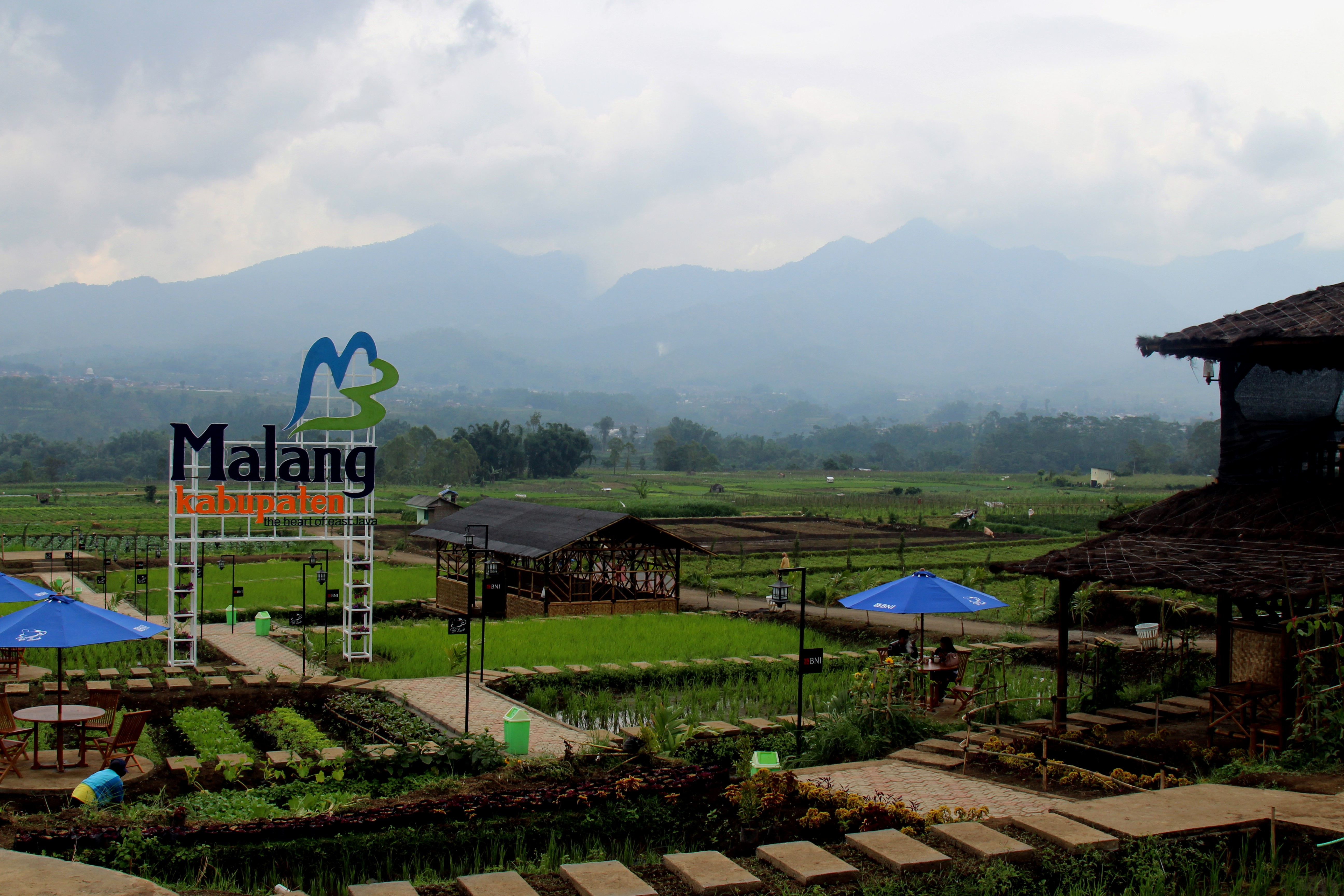
Pujon Kidul is an award-winning agro-tourism village in Malang Regency, East Java, known for its innovative community-based tourism model. The village sits at 1,200 meters above sea level amidst dairy farms, vegetable gardens, and stunning mountain scenery. Visitors can milk cows, pick fresh vegetables, enjoy café with panoramic views, and experience traditional Javanese farming life. It has been recognized as one of the best tourism villages in Indonesia by the Ministry of Tourism.

Liang Ndara is a traditional Manggarai village in West Manggarai Regency, Flores, located near the famous Wae Rebo. The village preserves authentic Manggarai culture including the traditional circular communal house (Mbaru Niang), traditional weaving (songket), and the caci whip-fighting ritual. The surrounding landscape features terraced rice fields, tropical forests, and mountain scenery characteristic of inland Flores.
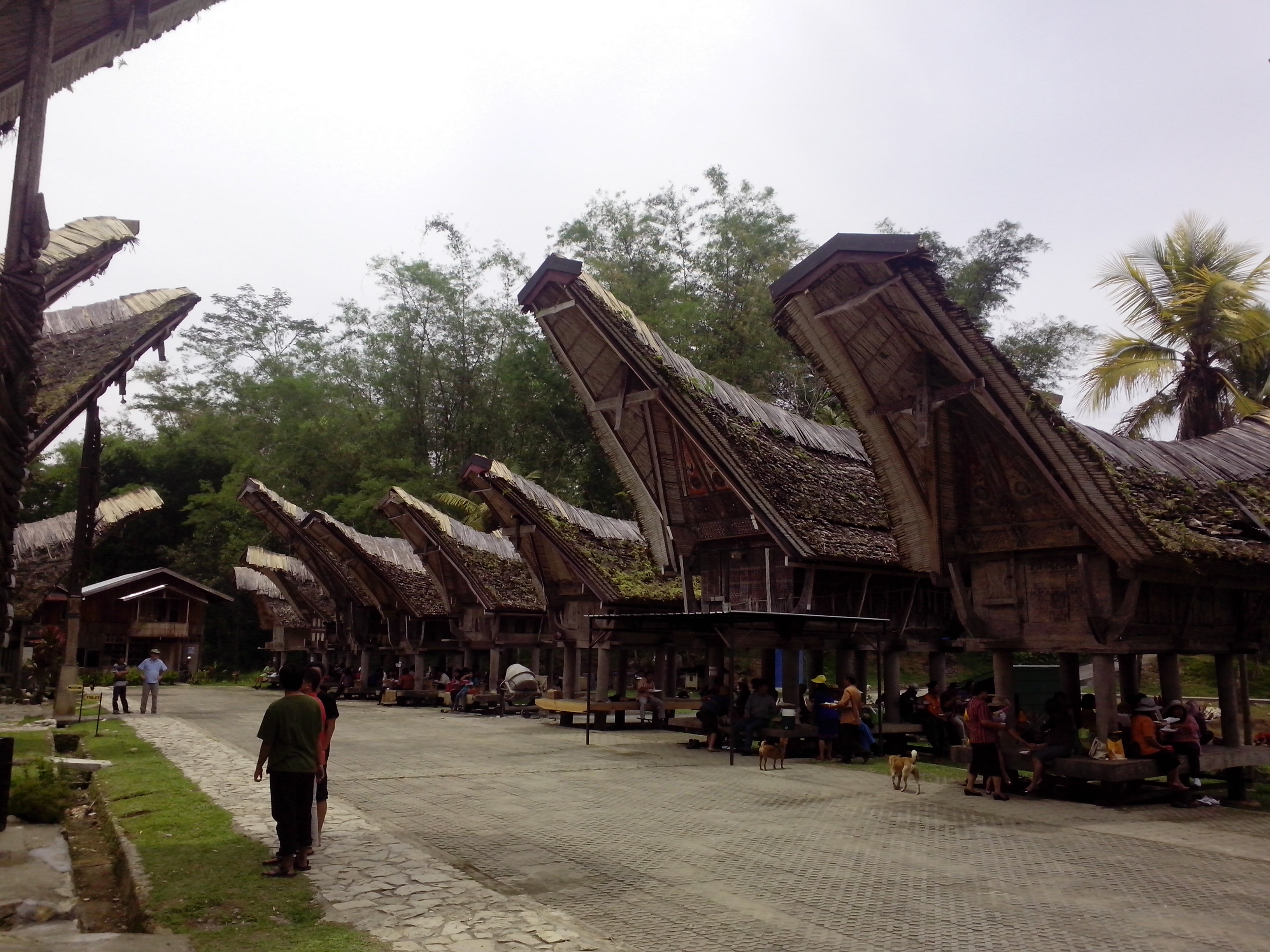
Ke'te' Kesu' is a traditional Toraja village and cultural heritage site in Tana Toraja, South Sulawesi. It is one of the most complete and well-preserved examples of a traditional Torajan settlement, featuring rows of stately Tongkonan clan houses with distinctive boat-shaped roofs, rice barns (alang), and elaborate wood carvings. Behind the village lies ancient cliff graves (liang) and hanging graves, some over 500 years old. The site is a UNESCO tentative world heritage listing.